

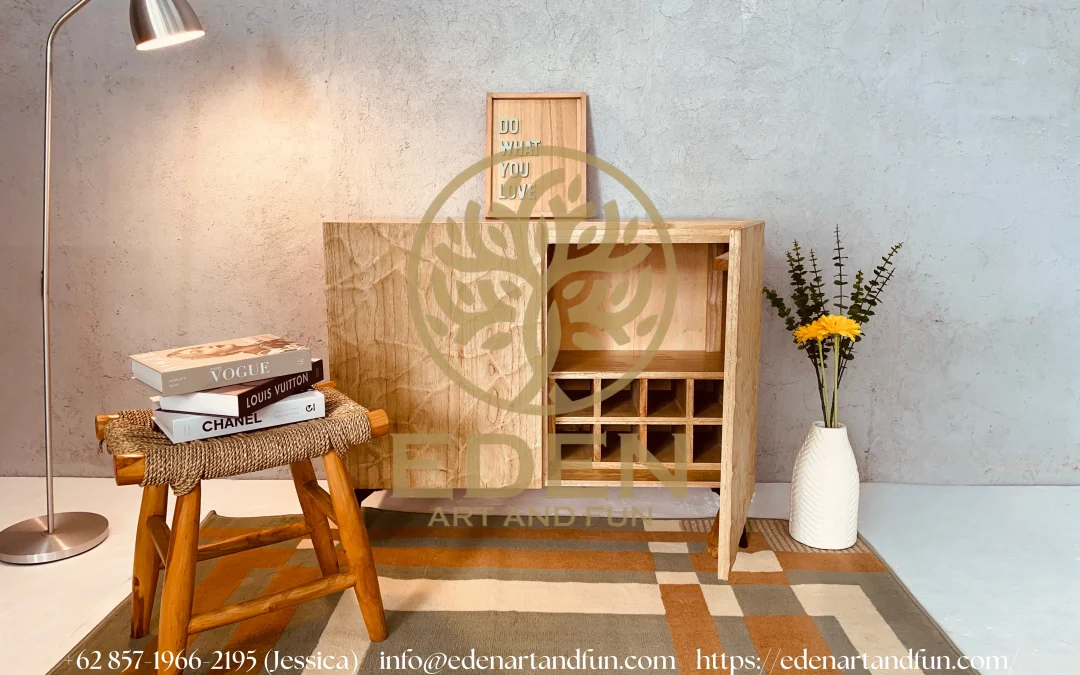
Wood selection plays a significant role in defining the durability, appearance, and overall value of furniture. Among many types of hardwoods, mindi wood and teak wood stand out as two of the most popular choices. Both materials are prized for their strength and natural elegance, yet they differ in texture, density, price, and sustainability. Understanding mindi wood vs teak wood distinctions helps craftsmen and interior designers choose the right wood for each type of furniture project.
Mindi Wood vs Teak Wood: Origin and Characteristics
Mindi wood, also known as white cedar or Melia azedarach, originates from tropical and subtropical regions, including Southeast Asia. It has a light brown tone with fine, straight grains that give it a clean and modern aesthetic. This wood is moderately hard but easy to work with, making it a preferred option for detailed carvings and lightweight furniture designs.
In contrast, teak wood, harvested mainly from Tectona grandis trees, has a rich golden-brown color and a dense, oily texture. It is widely known for its natural resistance to termites, moisture, and decay. Teak’s high oil content gives it a natural sheen and makes it ideal for both indoor and outdoor furniture. However, its density also makes it more challenging to cut and shape compared to mindi.
Durability and Resistance
When comparing mindi wood vs teak wood in terms of durability, teak takes the lead. It can last for decades without losing strength or structural integrity, even in humid or outdoor environments. The natural oils in teak act as a protective layer against insects and weather damage.
Mindi, while not as long-lasting as teak, still offers good resistance to wear and tear when properly treated. It performs well for indoor furniture such as cabinets, chairs, and tables. For long-term endurance, applying sealants or protective finishes is essential to maintain its condition and prevent insect infestation.
Aesthetic Appeal and Texture
The aesthetic qualities of mindi wood make it an attractive option for modern and minimalist furniture. Its light color enhances natural lighting and blends easily with various interior design themes. The fine, even grains allow for smooth finishes, making it suitable for both painted and natural looks.
Meanwhile, teak wood is often chosen for its luxurious appearance and deep, warm tones that darken beautifully over time. The texture feels rich and slightly oily to the touch, creating a sense of craftsmanship and prestige.
Workability and Maintenance
Mindi wood is lightweight and easy to cut, sand, and shape. These qualities make it a favorite among woodworkers who value flexibility and precision. It readily accepts paints, stains, and finishes, allowing for creative customization. Regular cleaning and occasional refinishing can keep mindi furniture in excellent condition for years.
Teak, on the other hand, requires less maintenance due to its natural oil content. However, it is harder to process and may dull tools more quickly. Over time, teak furniture exposed to sunlight may develop a silvery patina, a feature some find desirable, while others prefer to maintain the original golden color with oil treatments.
Sustainability and Price Considerations
In recent years, sustainability has become an important factor in mindi wood vs teak wood selection. Mindi wood is often considered an eco-friendly alternative because it grows faster and can be cultivated on sustainable plantations. Its availability also makes it more affordable compared to teak, offering good value for both manufacturers and consumers.
Teak wood, though durable and beautiful, is more expensive due to its slow growth rate and limited supply. Responsible sourcing from certified plantations is essential to prevent deforestation and ensure environmental preservation. Many ethical furniture producers now use legally harvested teak to balance quality with sustainability.
Both mindi wood vs teak wood possess unique qualities that make them valuable in furniture making. Mindi offers versatility, affordability, and eco-friendly advantages, making it an excellent choice for contemporary indoor pieces. Teak, on the other hand, excels in durability, prestige, and outdoor performance, ideal for long-term investments. For those seeking lightweight elegance with a sustainable edge, mindi wood from trusted sources such as Eden Art and Fun presents a refined and practical alternative to traditional hardwoods. If you need a further information about EDEN Art and Fun’s Furniture, feel free to contact us through WhatsApp: +62 857-1966-2195 (Jessica) or send us Email at info@edenartandfun.com